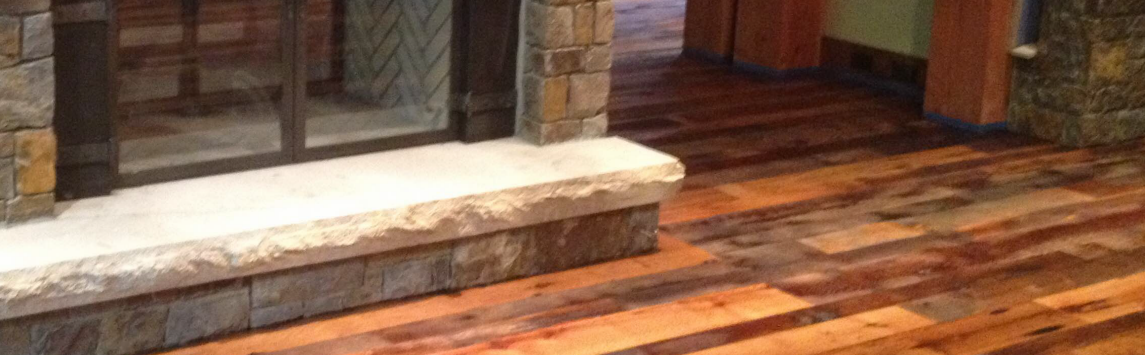
Hardwood floors add warmth, beauty, and long-term value to any home, but like any major feature, they require proper care to stay in their best condition. A hardwood floor inspection is an essential step in maintaining the longevity and safety of your flooring. Whether you’re purchasing a new home, addressing concerns in your current one, or preparing for a renovation, a professional inspection can reveal issues that aren’t immediately visible. Understanding what an inspection includes and why it matters can help you make informed decisions that protect your investment. In this blog post, the experts from Mikes Custom Flooring explore this further.
Detecting Hidden Damage
One of the most valuable aspects of a hardwood floor inspection is the ability to identify problems beneath the surface. Issues such as moisture intrusion, subfloor irregularities, and wood movement may not be obvious until they’ve caused significant damage. Inspectors use specialized tools to measure moisture levels and detect warping, cupping, or buckling before these issues become severe. Early detection not only prevents costly repairs but also helps maintain the stability and appearance of your flooring over time.
Assessing Wear & Tear
Even the most durable hardwood floors experience natural wear from foot traffic, sunlight exposure, and daily activities. An inspection provides a thorough evaluation of scratches, fading, finish deterioration, and seam gaps. Inspectors pay close attention to high-traffic areas, transitions between rooms, and spots near windows where UV rays may have caused discoloration. By understanding the extent of wear, homeowners can plan refinishing or restoration projects at the right time, avoiding unnecessary work while ensuring the floors remain structurally sound and visually appealing.
Evaluating Installation Quality
The quality of the original installation plays a significant role in how long hardwood floors last. During an inspection, professionals examine elements such as plank alignment, fastening methods, and expansion gaps. Poor installation can lead to creaking, uneven boards, and premature damage. Identifying installation errors early allows homeowners to correct issues before they worsen. This is especially important for new homeowners who may not know the flooring’s history or for anyone considering filing a warranty claim.
Checking for Environmental Concerns
Hardwood floors are sensitive to changes in temperature and humidity. Inspectors analyze the home’s environment to ensure it supports proper wood performance. Excess humidity can cause swelling, while dry conditions may lead to cracking or shrinking. By evaluating HVAC systems, ventilation, and humidity control, inspectors can recommend adjustments that help protect the flooring year-round. This proactive approach is especially beneficial in regions with seasonal climate changes.
Planning for Repairs or Maintenance
After the inspection, homeowners receive a detailed report outlining findings, recommendations, and next steps. This document serves as a valuable guide for planning repairs, scheduling maintenance, or budgeting for future improvements. Whether you need a simple buff-and-coat, a full refinishing, or targeted repairs, an inspection helps prioritize the most important tasks. With clear insight into the condition of your hardwood floors, you can maintain their beauty and functionality for many years to come.
Hardwood Floor Installation, Repairs, Refinishing & More in Charles Town & Eastern Panhandle of Berkeley & Jefferson Counties in WV | Winchester & Frederick County | Round Hill & Loudoun County | Berryville & Clarke County | Herndon & Fairfax County VA
A hardwood floor inspection is more than a visual check—it’s a comprehensive evaluation that protects one of your home’s most important features. By staying proactive and informed, homeowners can extend the life of their flooring and preserve its natural charm. For a professional inspection, call Mikes Custom Flooring today.
