

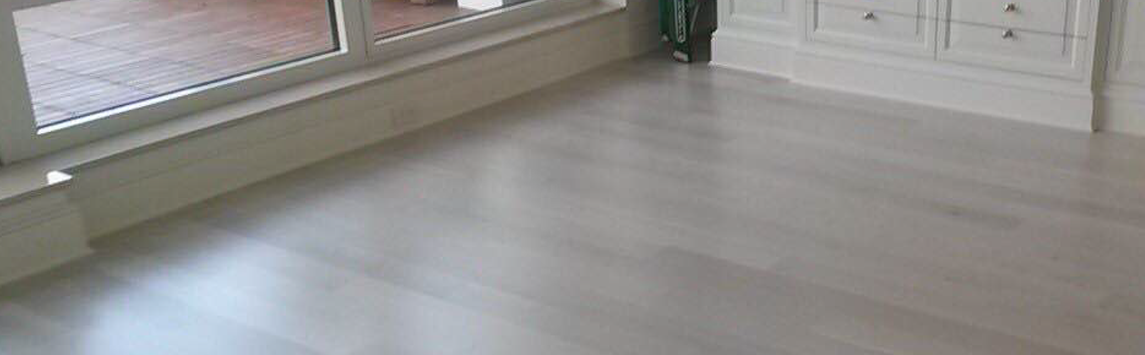
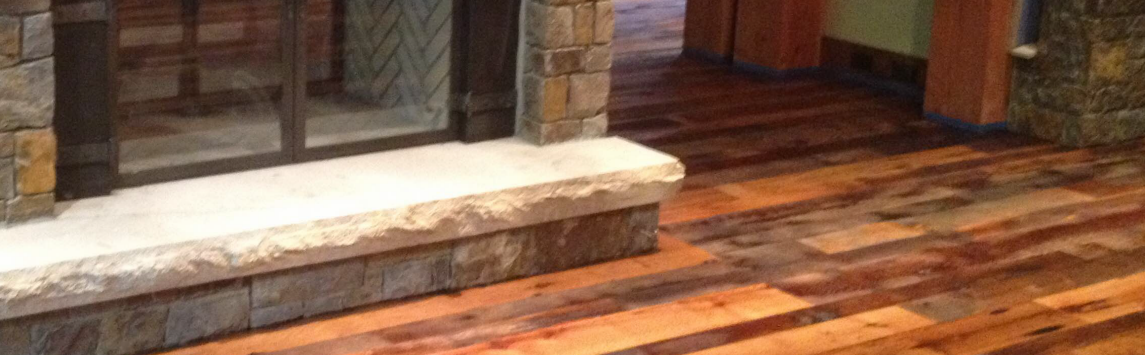
Installing hardwood floors over a concrete subfloor can be tricky, but with the right installation method, you can achieve beautiful, durable results. Unlike wood subfloors, concrete doesn’t allow for traditional nail-down methods, so it’s important to choose the method that best suits your space, lifestyle, and type of hardwood. Mike’s Custom Flooring would like to explore the best types of hardwood floor installation methods for concrete subfloors and what homeowners need to know before starting the project.
Glue-Down Installation
Glue-down installation involves applying a strong adhesive directly to the concrete subfloor and pressing the hardwood planks onto it. You can glue down both solid and engineered hardwood. Engineered wood is most common. Areas where a permanent, solid feel underfoot is desired and rooms with high traffic. Glue-down advantages include a stable, noise-free floor, prevents floor movement or shifting and works well with radiant heating systems.
Floating Floor Installation
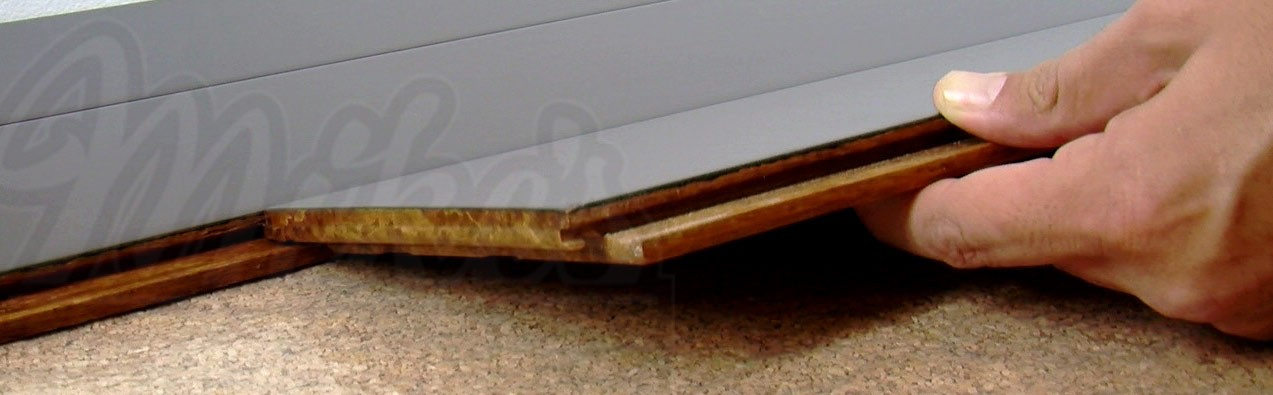
A floating floor is not attached to the subfloor. Instead, planks are connected to each other using tongue-and-groove joints or click-lock systems, and a moisture barrier is laid between the concrete and the flooring. Floating flooring is ideal for engineered hardwood planks and basements or areas prone to slight moisture fluctuations. Additionally, some of the benefits of floating flooring is that they are quick and relatively easy to install, can expand and contract with humidity without damaging the floor, can be installed over radiant heat systems and are easier to replace individual planks if needed.
Floating Engineered Hardwood with Click-Lock System
Engineered hardwood with a click-lock system is often the best solution for concrete subfloors. It’s moisture-resistant, easy to install, and doesn’t require adhesives or nails. A click and lock system benefit is that they can be installed over most concrete subfloors, allows for expansion and contraction, can be installed DIY or by professionals and works with radiant heating. When installing a click-lock system it is important to lay a vapor barrier or underlayment first, ensure the concrete is level and dry and leave proper expansion gaps along walls for natural movement.
Key Considerations Before Installing Hardwood on Concrete
• Moisture Testing: Concrete can trap moisture, which can warp or damage hardwood. Test moisture levels and use a vapor barrier if needed.
• Concrete Leveling: Any uneven areas should be leveled before installation, as gaps or ridges can affect the floor’s stability.
• Type of Hardwood: Solid hardwood is limited in use over concrete and usually requires plywood. Engineered hardwood is preferred for most concrete installations due to stability and moisture resistance.
• Room Conditions: Temperature and humidity control is critical. Hardwood expands and contracts naturally, so consistent indoor climate helps prevent future issues.
Hardwood Floor Installation, Repairs, Refinishing & More in Charles Town & Eastern Panhandle of Berkeley & Jefferson Counties in WV | Winchester & Frederick County | Round Hill & Loudoun County | Berryville & Clarke County | Herndon & Fairfax County VA
Installing hardwood floors over a concrete subfloor is entirely possible with the right method. While glue-down and floating engineered hardwood are the most common and effective approaches, the best choice depends on your flooring type, room conditions, and personal preferences. By preparing the concrete subfloor properly and selecting the right installation method, you can enjoy the elegance, warmth, and durability of hardwood floors for years to come. If you are planning a hardwood installation over concrete, contact Mike’s Custom Flooring to ensure a smooth, long-lasting result.
