
Hardwood floors are beautiful, durable, and add lasting value to any home but even the most well-maintained floors can develop problems over time. One common issue many homeowners encounter is cupping, where the edges of the hardwood boards rise higher than the center, creating a concave surface. Cupping can be both unsightly and hazardous if left unaddressed. Mike’s Custom Flooring wants to cover what causes hardwood floor cupping, how to identify it, and the best ways to repair and prevent it.
What is Hardwood Floor Cupping
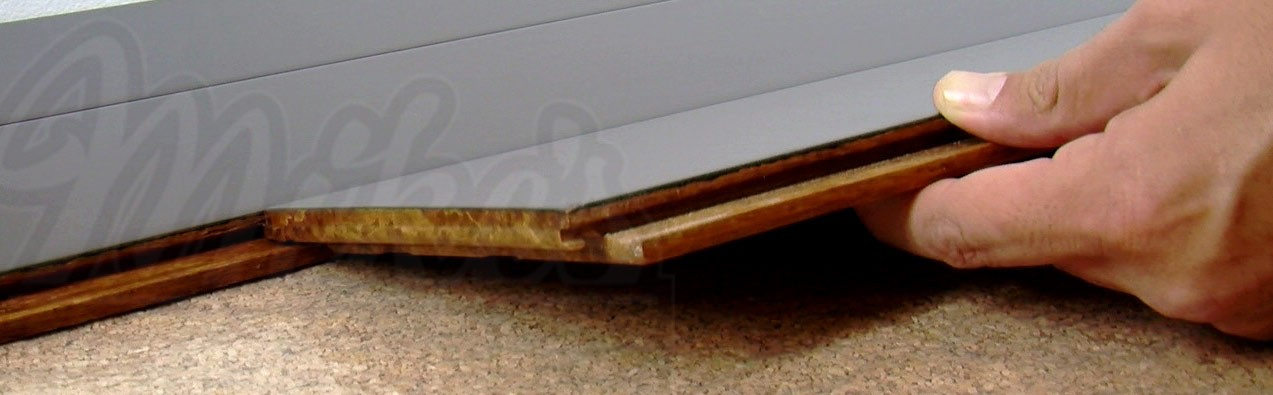
Cupping occurs when the edges of a hardwood plank are higher than the center, forming a slight “cup” shape. It often happens when moisture levels in the wood are unbalanced and typically, the underside of the plank absorbs more moisture than the top. This causes the wood to expand unevenly, forcing the edges upward. Signs of cupping planks feel raised at the edges, water or debris collects in the center of the board and floors may squeak or feel uneven when walked on.
Common Causes of Hardwood Floor Cupping
Excess Moisture from Below: Water intrusion from leaks, flooding, or plumbing issues can seep into the subfloor. Hardwood absorbs the moisture from underneath, causing the edges to lift.
High Humidity Levels: Homes in humid climates or rooms without proper ventilation can trap moisture in hardwood floors. Basements and bathrooms are especially prone to this problem.
Poor Installation: Failure to leave adequate expansion gaps along walls, installing hardwood over a damp subfloor and not acclimating the wood before installation.
Spills or Standing Water: Spilled liquids left uncleaned can penetrate through cracks in the finish, affecting the wood’s stability.
Seasonal Changes: Wood naturally expands and contracts with temperature and humidity changes. Sudden spikes in moisture during rainy seasons can cause cupping if the wood cannot expand evenly.
How to Repair Cupped Hardwood Floors
The best repair method depends on the severity of the cupping.
Minor Cupping
• Dry the Room: Use fans, dehumidifiers, or air conditioning to reduce moisture.
• Wait It Out: Sometimes, floors will naturally flatten as the humidity level stabilizes.
• Light Sanding: If the edges remain slightly raised after drying, a professional can sand and refinish the affected area.
Moderate Cupping
• Remove Moisture Source: Identify leaks or humidity issues and fix them immediately.
• Sanding: A professional may need to sand the floor to level the boards.
• Refinishing: After sanding, apply a new protective finish to prevent further damage.
Severe Cupping
• Board Replacement: If the wood is warped beyond repair, the affected planks may need to be replaced.
• Professional Assessment: Severe cases often require a flooring expert to inspect the subfloor and determine whether additional repairs or moisture mitigation measures are needed.
When to Call a Professional
Cupping can sometimes resolve on its own if caught early, but professional help is recommended if the cupping is severe or widespread, moisture issues are ongoing and DIY attempts have failed to flatten the boards. A flooring professional can identify the root cause, recommend the best repair method, and ensure your hardwood floors are restored safely and effectively.
Hardwood Floor Installation, Repairs, Refinishing & More in Charles Town & Eastern Panhandle of Berkeley & Jefferson Counties in WV | Winchester & Frederick County | Round Hill & Loudoun County | Berryville & Clarke County | Herndon & Fairfax County VA
Hardwood floor cupping is primarily caused by moisture imbalance, but with proper maintenance and timely repairs, it can be corrected or even prevented. From minor sanding and refinishing to board replacement in severe cases, taking action early protects the beauty and longevity of your floors. If your hardwood floors are cupping or showing signs of moisture damage, contact Mike’s Custom Flooring today.
