
Hardwood floors are built to last, but moisture-related issues can cause noticeable changes in their appearance. One common problem homeowners encounter is crowning when the center of a hardwood plank rises higher than the edges, creating a convex shape. Crowning is often confused with cupping, but the repair process is very different. Acting too quickly or using the wrong method can actually make the damage worse. Mike’s Custom Flooring will share what you need to know about repairing crowning on hardwood floors.
What is Crowning?
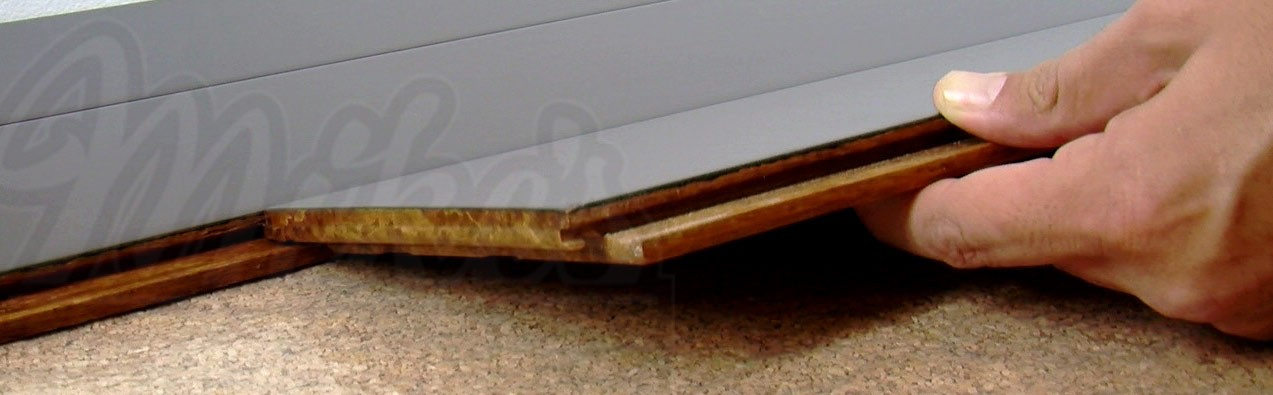
Crowning occurs when the center of a hardwood board is higher than the edges. When you run your hand across the floor, you will feel a hump in the middle of the plank rather than a dip. Common signs of crowning include raised centers on individual boards. Other signs of crowning are uneven floor surface, light reflecting unevenly across the planks and gaps forming along board seams. Crowning is almost always related to moisture imbalance.
What Causes Hardwood Floor Crowning?
• Excess Moisture on the Surface: Spills, wet mopping, or high humidity can cause the top of the board to absorb moisture and expand.
• Improper Sanding of Cupped Floors: One of the most common causes of crowning happens when a previously cupped floor is sanded before it fully dries. When the moisture levels normalize, the edges shrink back down but the center remains higher, creating crowning.
• Flooding or Plumbing Leaks: Water intrusion from above can cause the surface of the boards to swell unevenly.
• High Indoor Humidity: Consistently high humidity levels can lead to expansion on the top surface of the wood.
How to Repair Crowning
Repairing crowning requires patience. The biggest mistake homeowners make is sanding too soon.
• Step 1: Identify and Fix the Moisture Source: Before any repair begins check for leaks or plumbing issues and inspect appliances and nearby water sources. They will use a moisture meter if necessary and stabilize indoor humidity. If the moisture source isn’t resolved, repairs won’t last.
• Step 2: Allow the Floor to Dry Completely: This step is essential. Then use dehumidifiers and fans to maintain consistent HVAC operation and monitor moisture levels in both the hardwood and subfloor. Drying can take weeks or even months, depending on the severity of the issue. In many cases, floors will partially flatten on their own once moisture levels normalize.
• Step 3: Professional Sanding: If the floor remains crowned after it has fully dried a professional can sand the raised centers to level the surface and the floor will then be refinished to restore protection and appearance. Sanding before the wood reaches proper moisture equilibrium can permanently damage your floors.
• Step 4: Board Replacement: If boards are severely warped or structurally compromised, the individual planks may need replacement. The subfloor inspection may be necessary, and a vapor barrier may be installed if moisture from below contributed to the issue.
When to Call a Professional
You should contact a hardwood flooring professional if crowning is widespread, moisture levels remain elevated, there was recent flooding or water damage. If you are unsure whether the issue is cupping or crowning, an experienced technician can measure moisture levels, assess the subfloor, and recommend the safest repair approach.
Hardwood Floor Installation, Repairs, Refinishing & More in Charles Town & Eastern Panhandle of Berkeley & Jefferson Counties in WV | Winchester & Frederick County | Round Hill & Loudoun County | Berryville & Clarke County | Herndon & Fairfax County VA
Crowning on hardwood floors is almost always a sign of moisture imbalance. The key to successful repair is patience in allowing the wood to fully dry before sanding or refinishing. Rushing the process can turn a temporary issue into a permanent one. If your hardwood floor has developed crowning problems, contact Mike’s Custom Flooring for repairs, installation and more.
