
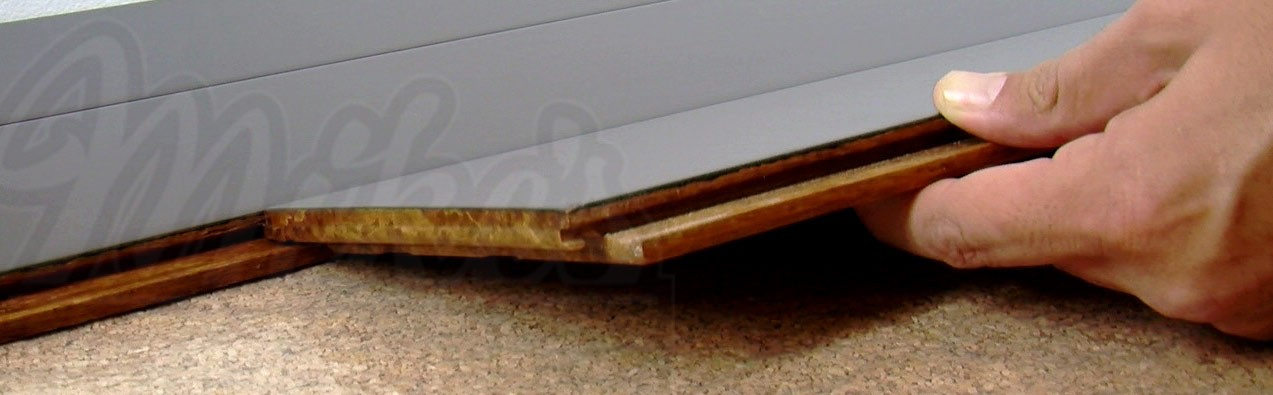
Wood flooring adds warmth, elegance, and value to any home. However, one common issue that homeowners may encounter is wood floor buckling, when boards lift or warp, creating uneven surfaces. Understanding what causes buckling and how to prevent it can save you time, money, and stress. Today, we at Mikes Custom Flooring would like to offer some understanding surrounding wood floor buckling and how to prevent it.
What Causes Wood Floor Buckling?
Buckling occurs when hardwood flooring expands due to excess moisture. Wood is a natural material that absorbs water from the air or direct contact. When the moisture content in the wood rises beyond what the subfloor can accommodate, the boards push against each other and the walls, causing them to lift or buckle. Several factors can contribute to wood floor buckling:
1) Excess Water Exposure: Spills, leaks, or flooding can saturate hardwood floors, leading to swelling.
2) High Humidity Levels: In humid climates or poorly ventilated spaces, wood can absorb moisture from the air.
3) Improper Installation: Not leaving adequate expansion gaps along walls or using incorrect adhesives can restrict wood movement.
4) Subfloor Issues: Wet or uneven subfloors prevent boards from sitting flat, increasing the risk of buckling.
Signs Your Wood Floors Are Buckling
Recognizing early signs of buckling can prevent further damage:
Boards lifting or separating from the subfloor
Gaps or cracks forming along seams
A noticeable warp or hump in a section of flooring
Creaking or popping noises when walking
If you notice any of these signs, it’s important to address the problem immediately to avoid costly repairs.
How to Prevent Wood Floor Buckling
Preventing buckling largely comes down to controlling moisture and proper installation:
1) Maintain Stable Humidity: Keep indoor humidity between 35% and 55% using dehumidifiers, especially in basements or during humid seasons.
2) Clean Spills Immediately: Water from leaks or everyday spills should be wiped up promptly to prevent absorption by the wood.
3) Use Proper Installation Techniques: Always leave expansion gaps around walls and doorways. Professionals can also acclimate hardwood to room conditions before installation.
4) Inspect Subfloor Conditions: Ensure the subfloor is dry, level, and structurally sound before laying boards.
5) Seal Hardwood Floors: Using a protective finish helps create a moisture barrier and reduces the wood’s tendency to absorb water.
When to Call a Professional
While minor warping or cupping can sometimes be corrected, serious buckling often requires professional intervention. A hardwood flooring expert can remove and replace damaged boards, check subfloor conditions, and ensure proper installation to prevent future problems.
Hardwood Floor Installation, Repairs, Refinishing & More in Charles Town & Eastern Panhandle of Berkeley & Jefferson Counties in WV | Winchester & Frederick County | Round Hill & Loudoun County | Berryville & Clarke County | Herndon & Fairfax County VA
Wood floor buckling can be alarming, but understanding its causes and taking preventive measures can protect your investment. By controlling moisture, maintaining proper installation techniques, and acting quickly when issues arise, you can enjoy the beauty and durability of hardwood flooring for years to come. Call Mikes Custom Flooring for hardwood flooring services.
